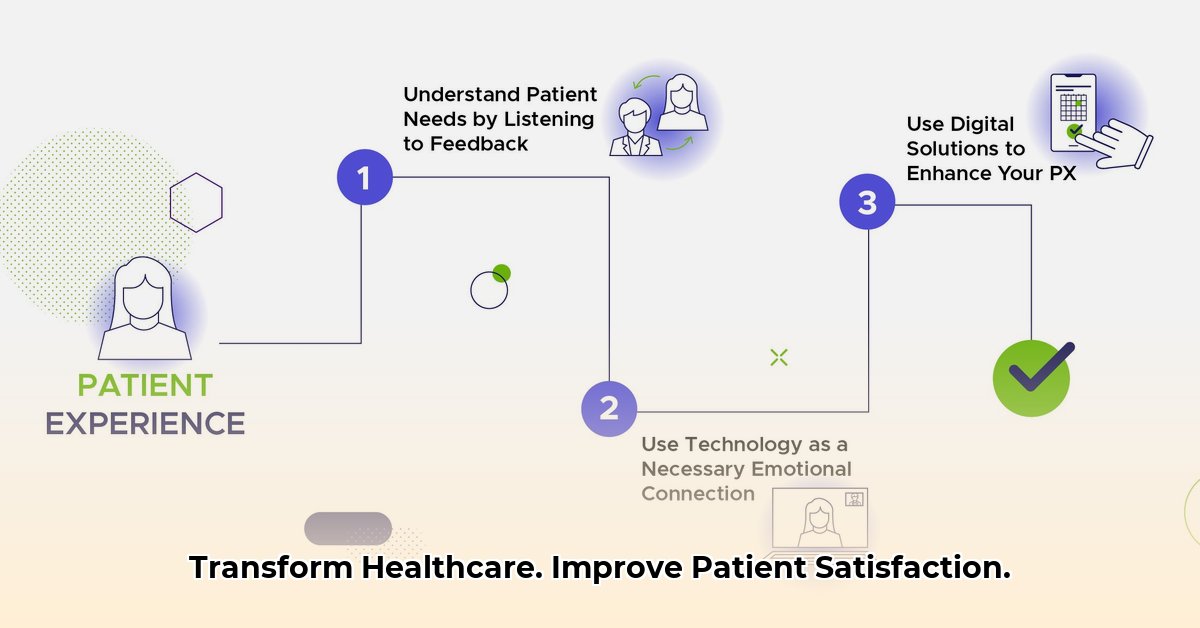
Understanding Patient Satisfaction: Beyond the Basics
Patient satisfaction isn't just about a clean waiting room; it's about the entire patient experience. What truly resonates with patients? Research consistently points to several key drivers: convenient access to care, clear and empathetic communication, high-quality treatment, and a feeling of being respected and valued. But how can healthcare providers effectively address these desires in today's demanding environment? The answer increasingly lies in strategically implemented technology. Isn't it crucial to understand that neglecting patient satisfaction can lead to negative reviews, reduced patient loyalty, and ultimately, a diminished bottom line? Learn more about creating a happy patient experience: Happy Patients.
Technology Solutions Overview: A Comparative Look
Several technological advancements offer promising solutions for enhancing patient satisfaction. Let's examine the key contenders:
Patient Portals: Your Digital Front Door
- Functionality: Secure online access to medical records, appointment scheduling, messaging with providers, and bill payment.
- Benefits: Increased convenience, improved communication, reduced administrative burden.
- Limitations: Requires patient tech literacy, potential security risks (mitigated by strong security protocols), occasional technical glitches.
AI-Powered Tools: Intelligent Healthcare Assistants
- Functionality: Personalized treatment plans, faster diagnoses, improved resource allocation, predictive analytics.
- Benefits: Enhanced efficiency, reduced medical errors, potentially better patient outcomes.
- Limitations: Potential algorithmic bias (mitigated through ongoing research and development), high initial investment, data privacy concerns (addressed through robust data security).
Telehealth Platforms: Expanding Access to Care
- Functionality: Virtual consultations, remote monitoring, and digital health management tools.
- Benefits: Increased access, especially for remote patients, convenient care, reduced travel time.
- Limitations: Reliance on reliable internet access, suitability varies by condition, some patients prefer in-person interaction.
Online Reputation Management Systems: Protecting Your Online Presence
- Functionality: Monitoring online reviews and feedback, enabling prompt responses to negative comments, and proactive reputation building.
- Benefits: Improved brand image, early identification of issues, enhanced patient loyalty.
- Limitations: Cannot control all online conversations, requires dedicated resources for monitoring and response.
Step-by-Step Implementation Guide: A Practical Approach
Successfully integrating these technologies demands a methodical approach:
Needs Assessment: Begin by thoroughly evaluating your current patient experience. Identify pain points and areas for improvement. This forms the basis for selecting appropriate technologies.
Technology Selection: Choose solutions aligned with your budget, infrastructure, and patient demographics. Prioritize user-friendliness and robust security features.
Integration Strategy: Carefully plan the integration of new technologies with your existing systems to ensure seamless workflows and minimize disruptions.
Staff Training: Invest in comprehensive training for your staff to ensure confident and competent use of new systems.
Patient Education: Educate patients on how to effectively utilize patient portals and other technologies to optimize their experience.
Continuous Monitoring & Improvement: Regularly track key metrics (patient satisfaction scores, appointment adherence, etc.) to measure impact and make necessary adjustments. This iterative process is crucial for ongoing success.
Addressing Challenges and Risks: Proactive Mitigation
Implementing patient satisfaction technologies presents challenges:
- Cost: Develop a realistic budget and explore funding options.
- Security: Implement robust security protocols to protect patient data and comply with regulations (e.g., HIPAA).
- Regulatory Compliance: Ensure compliance with all relevant health information privacy and security regulations.
- Change Management: Address staff concerns and gain their buy-in through clear communication and training.
Case Studies: Real-World Success Stories
Numerous healthcare organizations have successfully implemented these technologies, leading to significant improvements in patient satisfaction. For example, one large hospital system reported a 15% increase in patient satisfaction scores after implementing a user-friendly patient portal. Another clinic saw a 20% reduction in no-show appointments using automated appointment reminders via SMS. These examples illustrate the powerful impact of carefully chosen and implemented technology.
Conclusion: A Holistic Approach to Patient-Centric Care
Improving patient satisfaction requires a holistic, technology-driven approach. By thoughtfully selecting and effectively implementing the right technologies, healthcare providers can create a more convenient, efficient, and ultimately more satisfying patient experience. This translates to increased patient loyalty, improved health outcomes, and a stronger bottom line—a win-win for everyone. The future of healthcare is patient-centric, and technology plays a pivotal role in making that future a reality.